Invoice Factoring for Manufacturing: Solving Supply Chain Cash Gaps
Invoice Factoring for Manufacturing: Solving Supply Chain Cash Gaps. Expert insights for UK businesses on invoice factoring and financial solutions.
Invoice Factoring for Manufacturing: Solving Supply Chain Cash Gaps
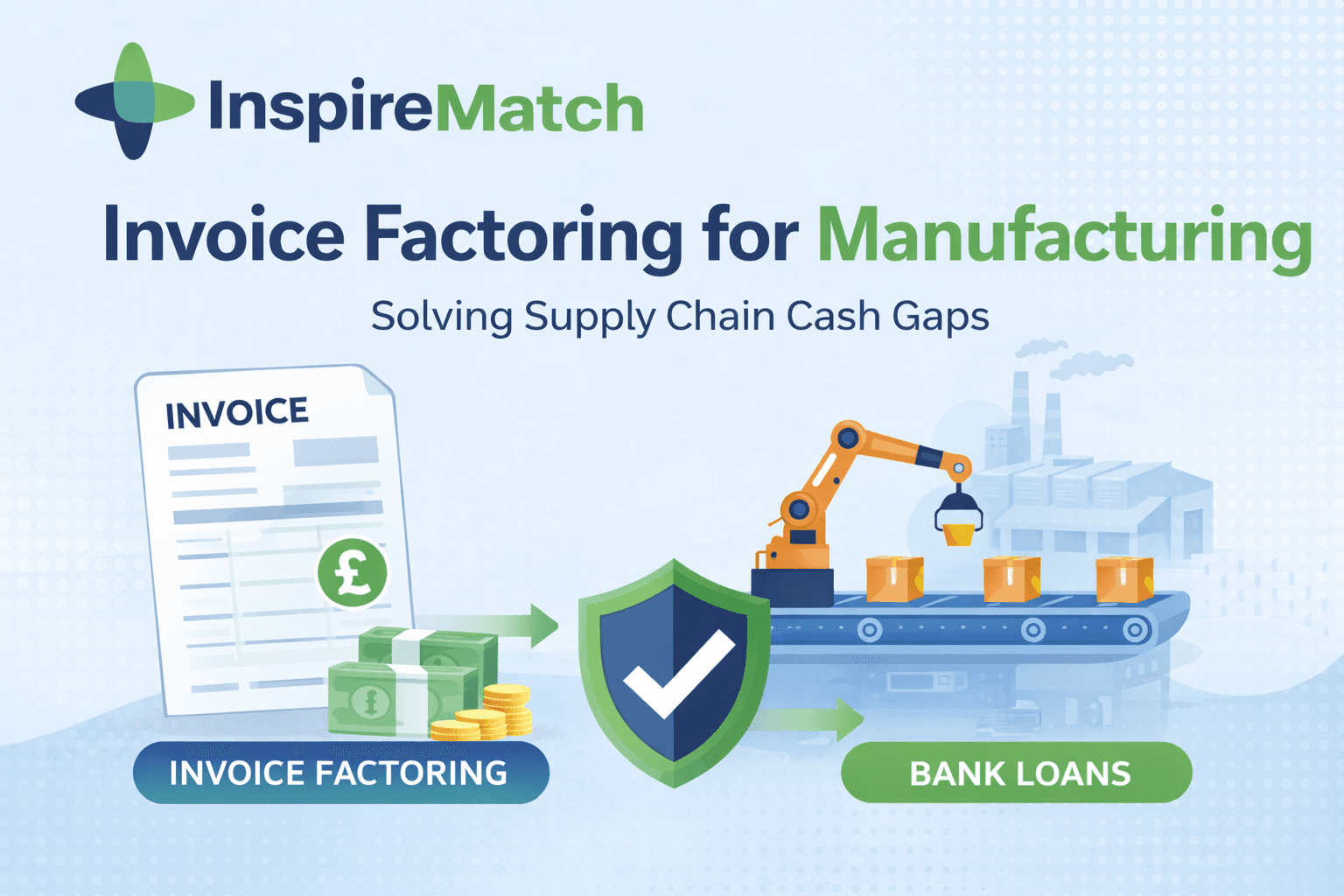
What is invoice factoring for manufacturing and how does it solve supply chain cash gaps? Invoice factoring for manufacturing is a financing solution where manufacturers sell their unpaid invoices to a specialist lender for immediate cash, typically receiving 80-90% of the invoice value within 24 hours. This addresses the critical cash flow gap that occurs when manufacturers must pay suppliers upfront for raw materials but wait 30-90 days for customer payments, helping maintain production schedules and supplier relationships without traditional bank loan delays.
Manufacturing businesses face a particularly challenging cash flow puzzle. Raw materials need purchasing, wages require paying, and equipment demands maintenance – all while waiting weeks or months for customer payments to arrive. This timing mismatch has intensified recently, with UK manufacturing payment terms stretching longer and supply chain costs rising sharply.
The problem hits hardest during growth phases. A successful manufacturer winning new contracts often finds themselves cash-starved, unable to fund the materials needed to fulfill those very orders that should drive profitability. Traditional bank lending, whilst valuable for long-term investment, rarely provides the speed and flexibility needed for working capital challenges.
This is where invoice factoring steps in as a practical solution, turning unpaid invoices into immediate working capital.
What is Invoice Factoring?
Invoice factoring is a financial arrangement where businesses sell their outstanding invoices to a factoring company at a discount, receiving immediate cash rather than waiting for customer payments. Think of it as converting your sales ledger into working capital.
The process differs fundamentally from traditional lending. Rather than borrowing against future earnings or assets, you’re essentially selling a financial asset you already own – your invoices. The factoring company takes on the responsibility of collecting payment from your customers, though the specific arrangements vary between providers.
For manufacturers, this creates a direct link between sales activity and available cash. More orders mean more invoices, which translate to more immediate funding. It’s particularly relevant for businesses with reliable customers who simply pay slowly rather than those facing bad debt issues.
How Invoice Factoring Works for Manufacturers
The factoring process follows a straightforward sequence, though the specifics vary between providers and factoring types.
Step 1: Invoice Creation and Submission After delivering goods or services, you create invoices as normal. These get submitted to your factoring company, typically through an online portal. Most providers process submissions within hours rather than days.
Step 2: Initial Advance The factoring company advances 80-90% of the invoice value, usually within 24 hours. This percentage, called the advance rate, depends on your industry, customer quality, and invoice size. Manufacturing businesses often achieve higher advance rates due to tangible goods and established customer relationships.
Step 3: Customer Payment Collection Your customers pay the factoring company directly. This happens transparently – customers receive invoices showing the factoring company’s payment details, making the arrangement visible to your clients.
Step 4: Final Settlement Once payment arrives, the factoring company releases the remaining balance minus their fees. Total fees typically range from 1-3% of invoice value, varying with factors like invoice size, customer creditworthiness, and contract terms.
Step 5: Ongoing Relationship Most factoring arrangements work on an ongoing basis. You continue submitting invoices, receiving advances, and building working capital as your sales grow.
The timeline from invoice creation to cash in hand usually spans 24-48 hours, dramatically faster than traditional lending applications.
Benefits for Manufacturing Businesses
Invoice factoring delivers several advantages particularly relevant to manufacturing operations, though the impact varies depending on your specific circumstances.
Immediate Cash Flow Relief The most obvious benefit is converting 30-90 day payment terms into same-day cash. This eliminates the working capital gap that forces many manufacturers to refuse orders or delay supplier payments. We’ve seen manufacturers use this breathing room to negotiate better terms with suppliers, taking advantage of early payment discounts that often exceed factoring costs.
Scalable Funding Unlike fixed credit facilities, factoring grows with your sales. A manufacturer landing a major contract can factor those invoices for immediate funding, rather than waiting months for bank credit increases. This scalability proves particularly valuable for seasonal businesses or those experiencing rapid growth.
Outsourced Credit Control Factoring companies handle payment collection, freeing up internal resources for core manufacturing activities. They often achieve better collection rates through specialised systems and dedicated staff. However, this means less direct customer contact, which some businesses prefer to maintain.
Reduced Bad Debt Risk Non-recourse factoring transfers bad debt risk to the factoring company. If a customer fails to pay, you don’t owe money back to the factor. This protection comes at a higher cost but provides valuable security, particularly when dealing with new or overseas customers.
Flexible Working Capital Rather than fixed monthly loan repayments, factoring costs align with your sales activity. Quiet periods cost less, whilst busy periods provide more funding. This flexibility suits manufacturing businesses with variable order patterns better than traditional financing.
Speed of Setup Factoring facilities often complete setup within days rather than weeks. This proves crucial when manufacturers need quick access to working capital for unexpected opportunities or challenges.
Costs and Considerations
Understanding factoring costs requires looking beyond headline rates, as the total expense depends on several interconnected factors.
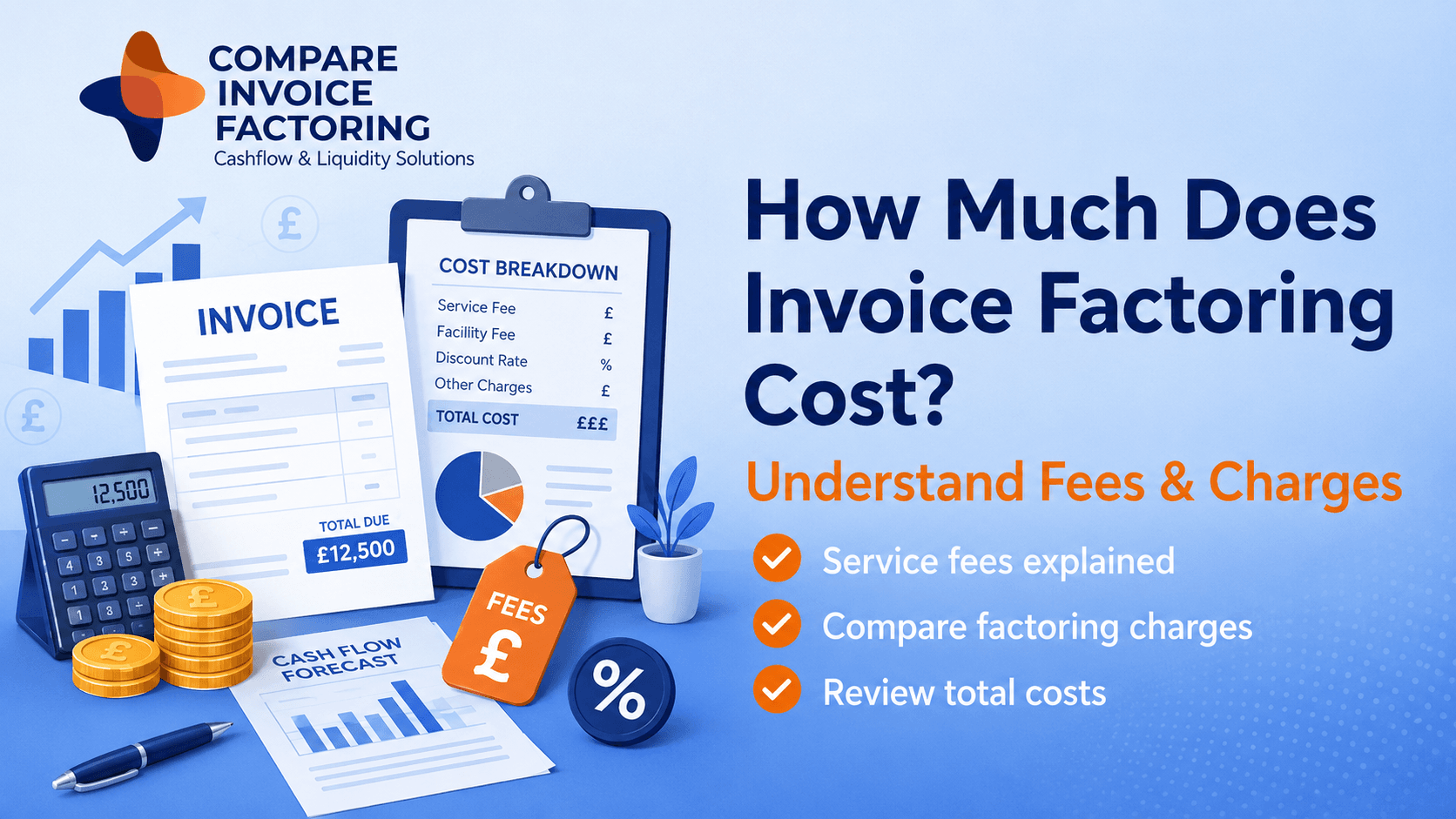
Primary Fees Factoring fees typically range from 1-3% of invoice value, though this varies significantly. Factors affecting pricing include:
- Invoice size (larger invoices often attract lower percentage fees)
- Customer creditworthiness (blue-chip customers command better rates)
- Industry risk perception (manufacturing generally viewed favourably)
- Contract length and volume commitments
- Recourse vs non-recourse arrangements
Additional Charges Many factoring companies charge extra fees for specific services:
- Setup fees: £500-£2,000 for initial facility establishment
- Monthly service fees: £50-£500 depending on transaction volume
- Credit checking: £10-£50 per new customer assessment
- Early termination: Often 3-6 months’ fees if ending contracts early
Hidden Costs to Consider Some expenses aren’t immediately obvious but affect total cost:
- Minimum fee guarantees that apply during quiet periods
- Charges for invoices under certain values
- Administration fees for rejected or disputed invoices
- Currency conversion costs for overseas customers
Opportunity Costs Factor in what you’re giving up. Customer relationships may change when a third party handles collections. Some clients prefer dealing directly with suppliers, potentially affecting future business relationships.
Cost Comparison Reality Check A manufacturer factoring £50,000 monthly at 2.5% pays £1,250 in fees. Compare this against:
- Bank overdraft interest (often 8-15% annually)
- Lost early payment discounts from suppliers
- Opportunity costs of refused orders due to cash constraints
- Staff time spent on credit control activities
The calculation often favors factoring, particularly for growing businesses where cash flow constraints limit opportunities.
Is Invoice Factoring Right for Your Manufacturing Business?
Determining factoring suitability requires honest assessment of your specific situation and priorities. Not every manufacturer benefits equally from this financing approach.
Strong Candidates for Factoring Manufacturing businesses that typically benefit most share certain characteristics:
- Creditworthy customers with established payment histories
- Invoice values exceeding £1,000 (smaller invoices often uneconomical)
- Growth ambitions constrained by working capital
- Suppliers offering attractive early payment terms
- Seasonal or project-based revenue patterns
- Limited access to traditional bank funding
Businesses That Should Consider Alternatives Factoring may not suit manufacturers in certain situations:
- Very small invoice values (under £500) where fees become disproportionate
- Customers preferring direct relationships without third-party involvement
- Industries with high dispute rates or complex payment terms
- Businesses with excellent existing bank facilities meeting all needs
- Companies where customer confidentiality is paramount
Key Questions to Ask Yourself Before proceeding, consider these practical questions:
- How much does slow payment actually cost your business in lost opportunities?
- Would faster cash flow allow you to grow sales or reduce costs elsewhere?
- How important is maintaining direct customer payment relationships?
- Do you have internal resources for effective credit control?
- What alternatives have you explored and why didn’t they work?
Testing the Waters Many factoring companies offer selective factoring, allowing you to factor specific invoices rather than committing to ongoing arrangements. This provides a low-risk way to test the process and evaluate benefits before making longer-term commitments.
Due Diligence Essentials If factoring appears suitable, research providers carefully:
- Compare total costs, not just headline rates
- Understand contract terms, particularly exit clauses
- Check references from similar manufacturing businesses
- Ensure the provider understands your industry’s specific needs
- Verify regulatory compliance and financial stability
The decision ultimately depends on whether factoring’s benefits outweigh its costs for your specific circumstances. Many manufacturers find it provides the working capital flexibility needed for sustainable growth, whilst others prefer maintaining direct customer relationships and accepting slower cash flow.
Frequently Asked Questions
What is the difference between recourse and non-recourse factoring?
Recourse factoring means you remain responsible if customers don’t pay their invoices – you must buy back unpaid invoices or replace them with new ones. Non-recourse factoring transfers bad debt risk to the factoring company, protecting you from customer payment failures. Non-recourse typically costs 0.5-1% more but provides valuable protection, particularly for manufacturers dealing with new customers or overseas markets where payment risks are higher.
How quickly can manufacturing businesses access funds through invoice factoring?
Most established factoring relationships provide funds within 24 hours of invoice submission. Initial setup takes longer – typically 5-10 working days for credit checks and documentation. However, some providers offer same-day advances for urgent situations once facilities are established. This speed advantage over traditional bank lending (which can take weeks) makes factoring particularly attractive for manufacturers with immediate working capital needs.
What percentage of invoice value can manufacturers typically receive upfront?
Manufacturing businesses commonly receive 80-90% of invoice value as an initial advance, with the remainder (minus fees) paid once customers settle. The exact percentage depends on customer creditworthiness, invoice size, and your trading history. Manufacturers often achieve higher advance rates than service businesses due to tangible goods and typically stronger customer relationships. Some providers offer up to 95% for invoices from blue-chip customers.
Are there minimum invoice values or contract sizes for manufacturing factoring?
Most factoring companies require minimum invoice values of £1,000-£5,000 to make transactions economically viable, though this varies by provider. Monthly turnover minimums typically range from £10,000-£50,000. Some specialist providers work with smaller manufacturers, whilst others focus on larger operations with millions in annual turnover. Selective factoring options allow businesses to factor only larger invoices whilst handling smaller ones internally.
How do customers react when manufacturers use invoice factoring?
Customer reactions vary significantly. Many established businesses understand factoring as a normal commercial arrangement and adapt quickly to paying the factoring company directly. However, some customers, particularly smaller ones, may initially question your financial stability. Transparent communication about growth funding rather than financial distress usually addresses concerns. Some manufacturers use confidential factoring where customers continue paying them directly, though this typically costs more.
What documentation do manufacturers need to start invoice factoring?
Essential documents include recent management accounts (typically last 12 months), aged debtor reports, bank statements, and details of major customers and suppliers. You’ll also need copies of standard terms and conditions, examples of invoices, and sometimes customer contracts for larger deals. Most factoring companies also require personal guarantees from directors. The documentation process usually takes 3-5 working days once all information is provided.
Can manufacturers factor invoices from overseas customers?
Yes, many factoring companies handle international invoices, though this often costs more due to additional risks and complexity. Currency conversion, longer payment terms, and different legal systems increase provider costs. Some factors specialise in export financing and offer competitive rates for overseas business. However, domestic invoices typically receive better terms and faster processing, making mixed portfolios common among manufacturers with both UK and international customers.
What happens if a customer disputes an invoice that’s been factored?
Dispute handling depends on your factoring agreement type. With recourse factoring, you typically must resolve disputes and may need to replace disputed invoices with new ones. Non-recourse factoring usually makes the factoring company responsible for legitimate disputes, though you might need to provide evidence supporting your position. Most providers have established dispute resolution processes, but complex technical disputes about manufacturing specifications can take time to resolve.
How do factoring costs compare to other forms of business finance?
Factoring typically costs 1-3% of invoice value, equivalent to roughly 12-36% annually if you factor all invoices. This appears expensive compared to bank loans (5-10% annually) but offers different benefits: immediate availability, no fixed repayments, and scalability with sales. When compared to overdraft facilities (8-15% annually) or the opportunity cost of lost sales due to cash flow constraints, factoring often proves competitive, particularly for growing manufacturers.
Can manufacturing businesses exit factoring agreements easily?
Exit terms vary significantly between providers and contract types. Some offer 30-day notice periods, whilst others require 6-12 months’ notice or charge early termination fees equivalent to several months’ charges. Spot factoring (single invoice deals) offers maximum flexibility but typically costs more per transaction. Before signing, understand exit clauses clearly, as switching providers or returning to traditional banking mid-contract can be expensive and complex.
References and Data Sources
Industry Statistics and Market Data
- UK Finance Business Finance Review 2025 - Manufacturing sector lending trends
- British Business Bank Small Business Finance Markets Report 2025 - Alternative finance usage
- Asset Based Finance Association Annual Survey 2025 - UK factoring market size and growth
- Office for National Statistics Business Population Estimates 2025 - UK manufacturing business demographics
Cost and Fee Data
- Financial Conduct Authority Price Comparison Data 2025 - Invoice finance pricing transparency
- British Business Bank Finance Hub Cost Calculator 2025 - Comparative financing costs
- Asset Based Finance Association Best Practice Guidelines 2025 - Industry fee standards
Regulatory Information
- Financial Conduct Authority Consumer Credit Sourcebook 2025 - Invoice finance regulations
- UK Finance Industry Standards 2025 - Best practice guidelines for factoring providers
- Companies House Filing Requirements 2025 - Disclosure obligations for factored receivables
Information accurate as of January 2025. Market conditions and specific terms vary by provider. Businesses should obtain current quotes and professional advice before making financing decisions. Regulatory requirements may change, and individual circumstances affect suitability and pricing.
Next Steps
Ready to explore whether invoice factoring could solve your manufacturing cash flow challenges? The key is comparing options from multiple providers to find terms that match your specific needs and circumstances.
Our free quote comparison tool connects you with FCA-regulated factoring specialists who understand manufacturing businesses. You’ll receive personalised quotes within 24 hours, allowing you to evaluate costs, terms, and service levels without commitment.
Alternatively, if you’d prefer speaking with someone first, our team of finance specialists can discuss your situation and explain how factoring might work for your business. There’s no obligation, and the conversation often helps clarify whether this financing approach suits your particular circumstances.
The manufacturing landscape continues evolving, but cash flow challenges remain constant. Invoice factoring provides one proven solution for bridging the gap between sales success and available working capital.
Ready to compare factoring providers?
Compare quotes from leading UK factoring providers in 60 seconds. No obligation, completely free.
Ready to Get Started?
Compare quotes from leading UK factoring providers and find the best rates for your business.
Get Your QuotesRelated Articles