Benefits of Invoice Factoring for Small Businesses
Benefits of Invoice Factoring for Small Businesses. Expert insights for UK businesses on invoice factoring and financial solutions.
Benefits of Invoice Factoring for Small Businesses
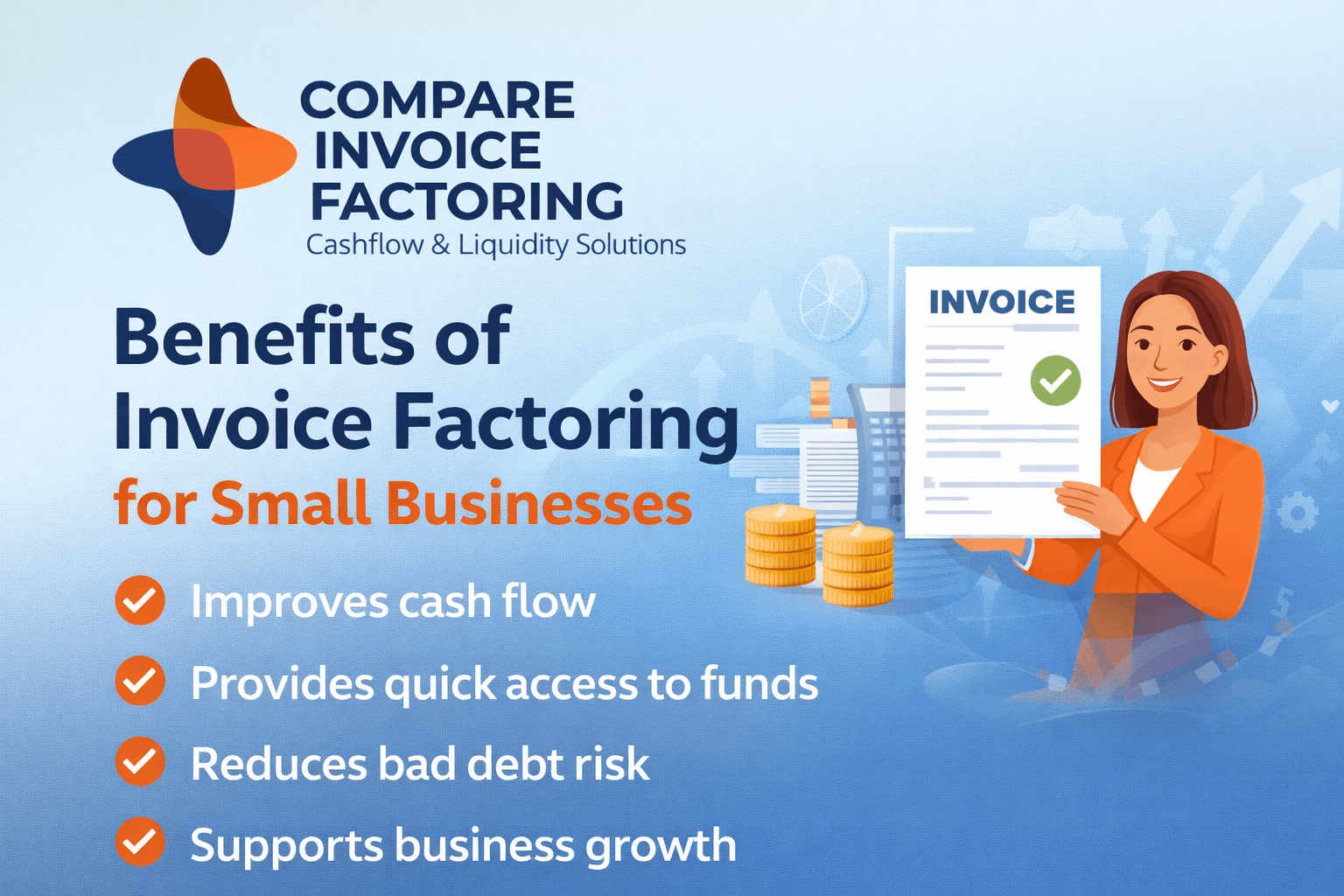
What are the main benefits of invoice factoring for small businesses? Invoice factoring transforms unpaid invoices into immediate working capital, typically releasing 80-90% of invoice value within 24-48 hours. UK small businesses using factoring report improved cash flow consistency, reduced bad debt risk, and freed-up time previously spent chasing payments. With over £25 billion factored annually in the UK, this financing method helps businesses maintain operations, invest in growth opportunities, and weather seasonal fluctuations without the lengthy approval processes associated with traditional bank loans.
Running a small business often feels like a constant juggling act between delivering excellent service and maintaining healthy finances. You’ve completed the work, sent the invoice, but now face the familiar waiting game – sometimes 30, 60, or even 90 days before payment arrives. Meanwhile, rent needs paying, staff salaries are due, and new opportunities require immediate investment.
This cash flow gap affects nearly every small business at some point. While your company may be profitable on paper, the reality of waiting for customer payments can create serious operational challenges. Invoice factoring offers a practical solution that’s helped thousands of UK businesses bridge this gap and accelerate their growth.
What is Invoice Factoring?
Invoice factoring is a financial arrangement where a business sells its unpaid invoices to a factoring company at a discount. Rather than waiting weeks or months for customers to pay, you receive immediate cash – typically 80-90% of the invoice value within 24-48 hours.
The factoring company then takes responsibility for collecting payment from your customers. Once they receive full payment, they return the remaining balance minus their fee. It’s essentially converting your outstanding invoices into working capital you can use immediately.
This differs from traditional loans because you’re not borrowing money – you’re selling an asset (your invoices) for immediate cash. No monthly repayments are required, and the amount available grows naturally as your sales increase.
How Invoice Factoring Works
The process is refreshingly straightforward, especially compared to securing bank loans:
Step 1: Application and Setup Submit basic business information and recent invoices. Most factoring companies can provide initial decisions within 24 hours, with full setup typically completed within a week.
Step 2: Invoice Submission After completing work for customers, submit copies of your invoices to the factoring company. Many providers offer online portals or mobile apps for instant submission.
Step 3: Immediate Advance Receive 80-90% of the invoice value, usually transferred to your bank account within 24-48 hours. This advance helps maintain steady cash flow regardless of customer payment terms.
Step 4: Customer Payment Collection The factoring company handles all payment collection activities. Your customers pay them directly, often without realising a third party is involved.
Step 5: Final Settlement Once payment is received, the factoring company releases the remaining balance minus their fee. Fees typically range from 1-5% of invoice value, depending on factors like invoice size, customer creditworthiness, and collection timeframes.
Key Benefits for Small Businesses
Immediate Cash Flow Relief
The most obvious advantage is speed. While traditional bank loans might take weeks or months to approve, factoring provides cash within days. This rapid access proves invaluable when facing unexpected expenses, seasonal fluctuations, or growth opportunities that can’t wait.
Consider a Manchester-based marketing agency that secures a major contract requiring immediate staff expansion. Rather than declining the opportunity or struggling with cash flow, they can factor existing invoices to fund new hires and equipment purchases immediately.
Reduced Administrative Burden
Chasing overdue payments consumes significant time and energy – resources better spent growing your business. Factoring companies handle all collection activities, from sending payment reminders to managing disputes. This frees up valuable time for core business activities.
Many small business owners report this as an unexpected but welcome benefit. Instead of spending hours each week on credit control, they can focus on serving customers and developing new opportunities.
Protection Against Bad Debts
Non-recourse factoring provides additional protection by transferring bad debt risk to the factoring company. If a customer becomes insolvent and cannot pay, you’re not liable for the advance already received. This protection proves particularly valuable for businesses working with larger corporate clients where individual invoice values are substantial.
Flexible Funding That Scales
Unlike fixed credit facilities, factoring grows with your business. As sales increase, more invoices become available for factoring, providing proportionally more working capital. This scalability makes it ideal for growing businesses or those with seasonal variations.
A Yorkshire-based construction firm, for example, might factor heavily during busy summer months when project volumes peak, then reduce factoring during quieter winter periods. The funding naturally adjusts to match business activity levels.
No Personal Guarantees Required
Most factoring arrangements don’t require personal guarantees from business owners. The facility is secured against your sales ledger rather than personal assets, making it less risky than traditional lending options.
Costs and Considerations
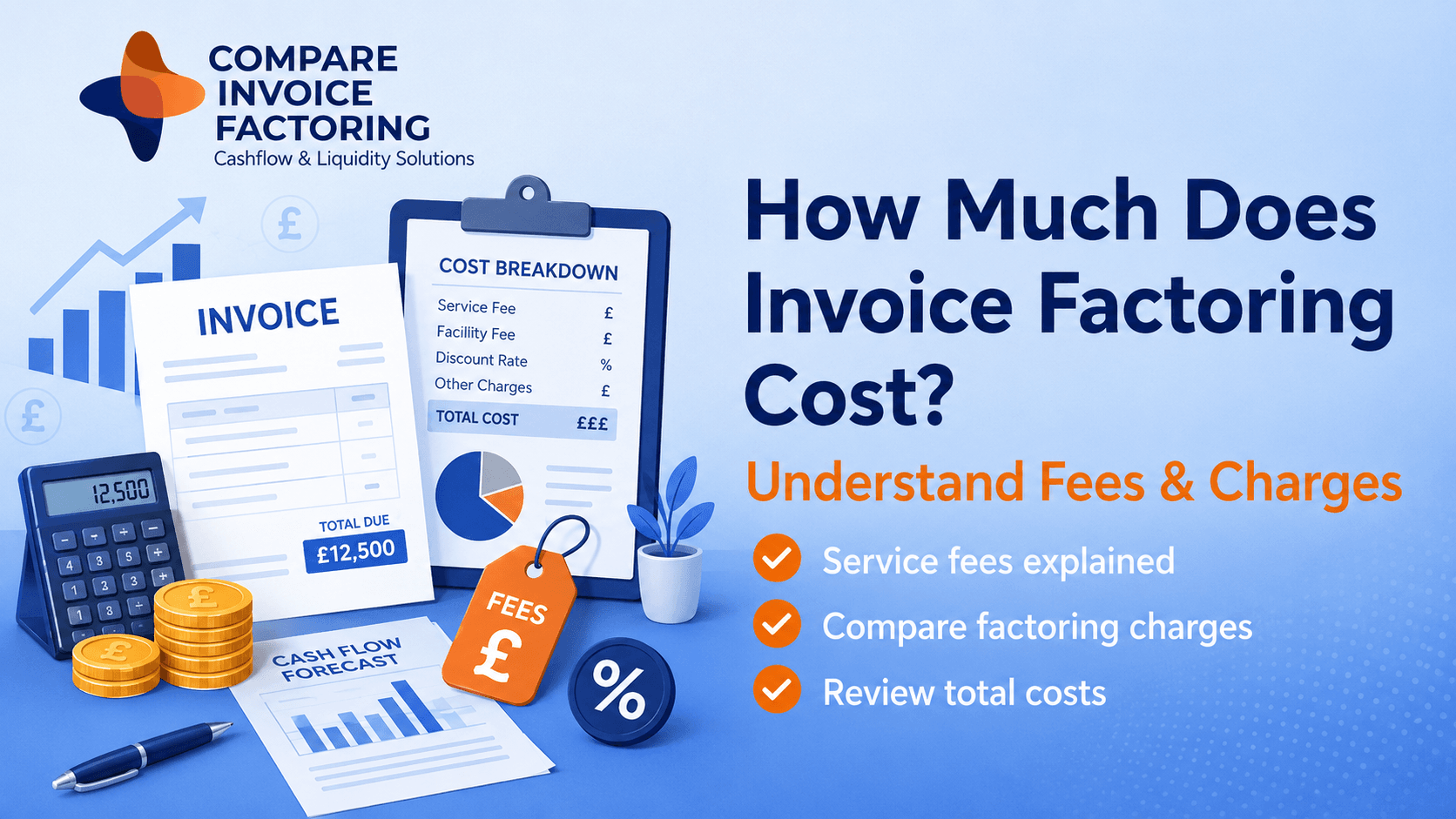
Understanding factoring costs helps determine whether it’s cost-effective for your situation. Fees typically include:
Factoring Fees: Usually 1-5% of invoice value, charged when funds are advanced. Higher-risk customers or smaller invoice values generally attract higher rates.
Service Charges: Some providers charge monthly service fees ranging from £50-£500, covering administration and credit management services.
Additional Charges: These might include setup fees (£500-£2,000), credit checks on new customers (£10-£50 each), or early termination fees if you exit the arrangement prematurely.
The total cost often ranges from 2-6% of annual turnover, depending on your specific circumstances. While this might seem significant, many businesses find the benefits – improved cash flow, reduced administration, bad debt protection – justify the expense.
It’s worth comparing these costs against alternatives. Bank overdrafts might appear cheaper but often come with arrangement fees, higher rates for unauthorised borrowing, and the stress of potential withdrawal. Late payment of suppliers or staff can damage relationships and reputation in ways that far exceed factoring costs.
Is Invoice Factoring Right for Your Business?
Several factors determine whether factoring makes sense for your situation:
Invoice Values and Payment Terms Factoring works best with invoices worth at least £1,000 and payment terms of 30 days or longer. If you typically receive immediate payment or deal in small transaction values, other financing options might prove more suitable.
Customer Base Quality Factoring companies assess your customers’ creditworthiness before advancing funds. Businesses serving established, creditworthy clients generally receive better rates and terms than those dealing with higher-risk customers.
Growth Ambitions Companies planning expansion often find factoring ideal because it provides flexible funding that scales with growth. The ability to convert future sales into immediate working capital can accelerate expansion plans significantly.
Administrative Preferences If you enjoy maintaining direct customer relationships and handling your own credit control, factoring might feel like losing control. However, if you’d rather focus on core business activities, outsourcing collections can be liberating.
Seasonal Considerations Businesses with significant seasonal variations – garden centres, holiday companies, heating contractors – often benefit enormously from factoring’s flexibility. It provides steady cash flow during quiet periods and scales up during busy seasons.
The decision ultimately depends on your specific circumstances, growth plans, and comfort level with the costs involved. Many successful businesses use factoring as a stepping stone, building cash reserves and credit history that eventually enables them to secure cheaper traditional funding.
Frequently Asked Questions
What is the difference between recourse and non-recourse factoring?
Recourse factoring means you remain liable if customers don’t pay – the factoring company can reclaim advances from you. Non-recourse factoring transfers this risk to the factoring company, but typically costs 0.5-1% more. Most UK businesses choose recourse factoring for the lower costs, especially when dealing with established customers.
How quickly can I access funds through invoice factoring?
Most UK factoring companies provide advances within 24-48 hours of invoice submission, with some offering same-day funding for urgent situations. Initial setup takes 3-7 working days, but once established, the process becomes routine and rapid.
What percentage of invoice value can I receive as an advance?
Typical advances range from 80-90% of invoice value, though this varies based on customer creditworthiness and invoice size. Higher-risk customers might attract 70-75% advances, while blue-chip clients could justify 95% advances in some cases.
Can I choose which invoices to factor?
Most arrangements offer selective factoring, allowing you to choose which invoices to submit. This flexibility lets you factor large invoices for immediate cash while handling smaller ones through normal collection processes. Some providers require minimum monthly volumes to maintain cost-effectiveness.
What happens if my customer disputes an invoice?
Factoring companies typically place disputed invoices “on hold” until resolution. You won’t receive additional advances on disputed amounts, and may need to repay advances if disputes are upheld. Clear terms and conditions with customers help minimise dispute risks.
Are there minimum contract periods for factoring agreements?
Most factoring agreements include minimum terms of 12-24 months, with notice periods of 1-3 months for termination. Some providers offer shorter terms or month-to-month arrangements, but these typically cost more due to higher setup costs relative to usage.
How do factoring companies assess my customers’ creditworthiness?
Factoring companies use credit reference agencies, company accounts, payment history data, and sometimes direct credit applications to assess customer risk. They typically approve credit limits for each customer, determining how much they’ll advance against invoices from that client.
Can I maintain confidentiality about using factoring services?
Many providers offer confidential factoring where customers remain unaware of the arrangement. You continue handling customer relationships while the factoring company manages collections discreetly. This typically costs slightly more but preserves direct customer relationships.
What documentation do I need to start invoice factoring?
Standard requirements include recent management accounts, aged debtor reports, VAT returns, bank statements, and customer payment histories. Most factoring companies can make initial decisions based on basic information, requesting detailed documentation only after preliminary approval.
How does factoring affect my relationship with customers?
Professional factoring companies handle collections diplomatically, often improving customer payment behaviour through consistent follow-up. Many businesses report better payment terms and fewer disputes after starting factoring, as customers recognise the more structured approach to credit management.
References and Data Sources
Industry Statistics and Market Data
- UK Finance Annual Factoring and Invoice Discounting Survey 2025
- British Business Bank Small Business Finance Markets Report 2026
- Asset Based Finance Association Market Statistics 2025
Regulatory and Compliance Information
- Financial Conduct Authority Guidance on Invoice Finance 2025
- UK Finance Best Practice Guidelines for Asset Based Lending 2026
- Companies House Filing Requirements for Factoring Arrangements 2025
Cost and Fee Data
- Invoice Finance Market Analysis - Funding Options Research 2026
- SME Finance Cost Comparison Study - Federation of Small Businesses 2025
- Alternative Finance Industry Benchmarking Report 2025
Information accurate as of January 2026. Market conditions and specific terms vary by provider. Businesses should seek independent financial advice and compare multiple providers before making factoring decisions.
Next Steps
Ready to explore how invoice factoring could benefit your business? Start by assessing your current cash flow challenges and growth objectives. Consider the invoice values, customer payment terms, and administrative burden that factoring could address.
The next step involves comparing providers to find terms that match your specific needs. Our quote comparison tool connects you with FCA-regulated factoring companies, allowing you to compare rates, terms, and services without impacting your credit score. Get personalised quotes based on your actual invoices and customer base – it takes just minutes to see what funding options are available for your business.
Ready to compare factoring providers?
Compare quotes from leading UK factoring providers in 60 seconds. No obligation, completely free.
Ready to Get Started?
Compare quotes from leading UK factoring providers and find the best rates for your business.
Get Your QuotesRelated Articles