How Invoice Factoring Can Transform Your Construction Business Cash Flow
How Invoice Factoring Can Transform Your Construction Business Cash Flow. Expert insights for UK businesses on invoice factoring and financial solutions.
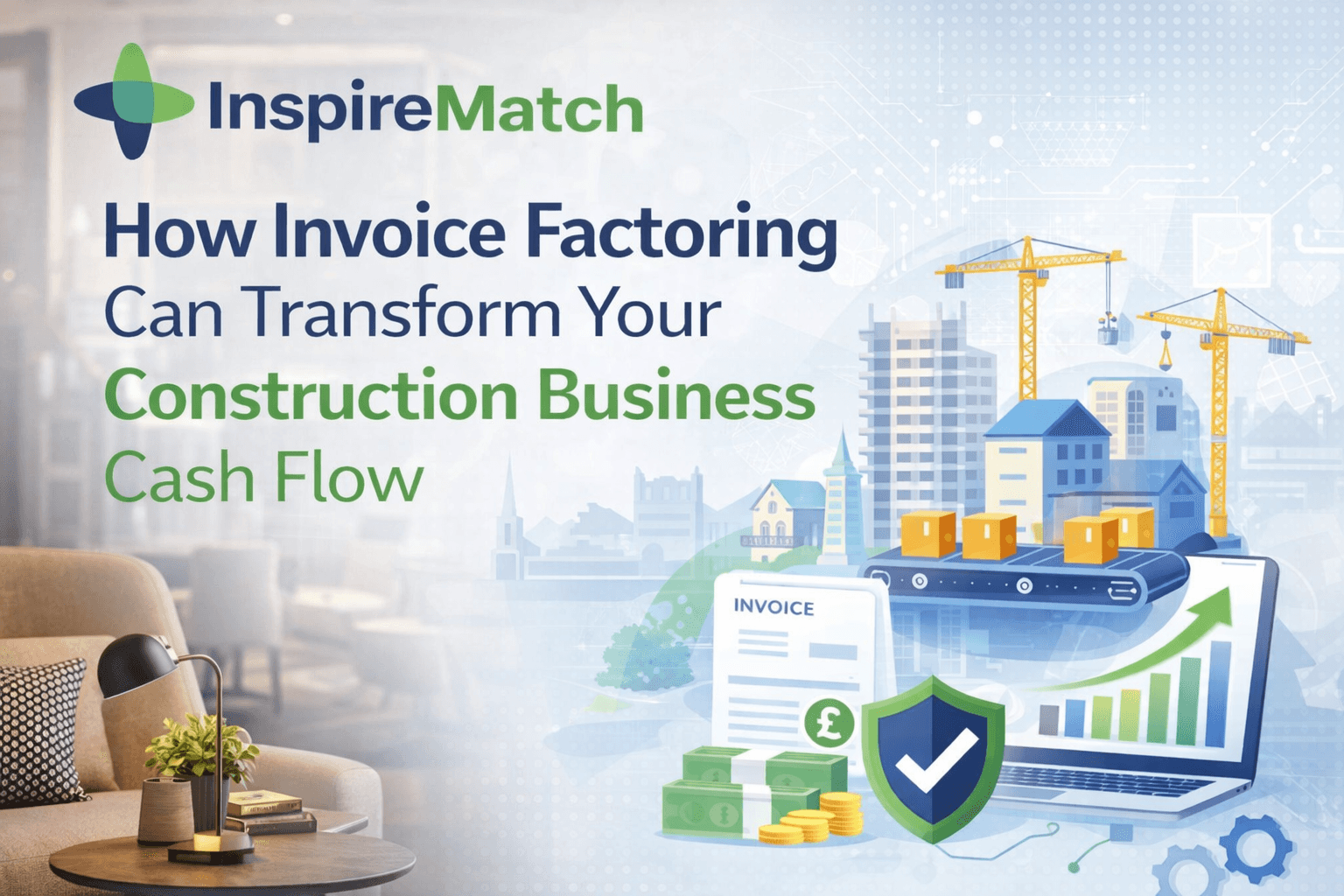
How Invoice Factoring Can Transform Your Construction Business Cash Flow
How does invoice factoring help construction businesses? Invoice factoring converts unpaid construction invoices into immediate cash, providing 80-90% of invoice value within 24 hours. This eliminates the 30-90 day payment wait, enabling construction companies to cover payroll and materials, take on larger projects, and maintain steady operations without cash flow gaps.
Construction businesses face unique cash flow challenges that can make or break even the most successful projects. With payment terms often stretching 30, 60, or even 90 days, construction companies frequently find themselves caught in a financial squeeze – having completed work but waiting weeks or months for payment while still needing to cover wages, materials, and equipment costs.
Invoice factoring has emerged as a powerful solution for construction businesses looking to bridge this cash flow gap. By converting outstanding invoices into immediate working capital, factoring enables construction companies to maintain steady operations, take on larger projects, and grow their business without being constrained by slow-paying customers.
What is Invoice Factoring?
Invoice factoring is a financial service where businesses sell their outstanding invoices to a factoring company in exchange for immediate cash. Rather than waiting weeks or months for customers to pay, construction businesses can access up to 90% of their invoice value within 24 hours.
The factoring company then takes responsibility for collecting payment from your customers, paying you the remaining balance (minus their fee) once the invoice is settled. This arrangement transforms your unpaid invoices from a cash flow liability into an immediate asset.
Unlike traditional bank loans, invoice factoring doesn’t create debt on your balance sheet. Instead, it’s considered a sale of assets – specifically, your accounts receivable. This distinction makes factoring an attractive option for construction businesses that may not qualify for traditional lending or prefer not to take on additional debt.
How Invoice Factoring Works for Construction Businesses
The invoice factoring process is straightforward and designed to provide quick access to working capital:
Step 1: Complete Your Construction Work
You complete a construction project or milestone and issue an invoice to your client as normal. This could be for anything from residential renovations to commercial building projects.
Step 2: Submit Your Invoice for Factoring
You submit the invoice to your factoring company, typically through an online portal or mobile app. Most factoring companies can process applications within hours.
Step 3: Receive Immediate Funding
The factoring company advances you 80-90% of the invoice value, usually within 24 hours. This immediate injection of cash helps you cover immediate expenses like payroll, materials for the next job, or equipment maintenance.
Step 4: Customer Pays the Factoring Company
Your customer pays the factoring company directly when the invoice becomes due. The factoring company handles all collection activities, freeing you to focus on your construction work.
Step 5: Receive the Remaining Balance
Once payment is received, the factoring company pays you the remaining 10-20% of the invoice value, minus their factoring fee.
Key Benefits of Invoice Factoring for Construction Businesses
Improved Cash Flow Management
Construction projects often require significant upfront investment in materials, labour, and equipment. Invoice factoring provides immediate access to cash, enabling you to:
- Pay suppliers promptly to secure better pricing and terms
- Meet payroll obligations without delay
- Purchase materials for new projects without waiting for previous invoices to be paid
- Take advantage of early payment discounts from suppliers
Ability to Take on Larger Projects
Many construction businesses turn down lucrative contracts because they lack the working capital to fund materials and labour upfront. With invoice factoring, you can access the cash needed to:
- Accept larger, more profitable contracts
- Expand your workforce for bigger projects
- Purchase specialised equipment or materials
- Compete with larger construction companies that have better cash flow
Reduced Administrative Burden
Chasing late payments can consume valuable time that construction business owners would rather spend on-site or developing new business. Factoring companies handle:
- Credit checks on potential customers
- Invoice collection and follow-up
- Bad debt protection (with recourse factoring)
- Detailed reporting on payment patterns
Flexible Financing Solution
Unlike traditional bank loans, invoice factoring grows with your business. As your sales increase, so does your available funding. This scalability makes it particularly suitable for seasonal construction businesses or those experiencing rapid growth.
The approval process is also typically faster and less stringent than traditional lending, focusing on the creditworthiness of your customers rather than your business’s credit history.
Costs and Considerations
Understanding the costs associated with invoice factoring is crucial for making an informed decision about whether it’s right for your construction business.
Factoring Fees
Factoring fees typically range from 1% to 5% of the invoice value, depending on several factors:
- Volume of invoices: Higher volumes often secure better rates
- Industry risk: Construction is considered moderate risk, affecting pricing
- Customer creditworthiness: Invoices from creditworthy customers command lower fees
- Payment terms: Shorter payment terms generally result in lower fees
- Recourse vs. non-recourse: Non-recourse factoring (where the factor absorbs bad debt risk) costs more
For a £10,000 construction invoice with a 3% factoring fee, you would pay £300 for the service. While this may seem significant, consider it against the cost of delayed payments, missed opportunities, or alternative financing options.
Additional Costs
Some factoring companies may charge additional fees for:
- Application and setup fees (£200-£500)
- Monthly minimum fees
- Wire transfer fees
- Credit check fees
- Early termination fees
Always request a complete fee schedule before committing to any factoring arrangement.
Recourse vs. Non-Recourse Factoring
Recourse factoring means you remain liable if your customer fails to pay. If the invoice isn’t paid within an agreed timeframe (typically 90-120 days), you must buy it back from the factoring company.
Non-recourse factoring transfers the bad debt risk to the factoring company, but costs more. This can be valuable for construction businesses working with customers whose creditworthiness is uncertain.
Is Invoice Factoring Right for Your Construction Business?
Invoice factoring works best for construction businesses that meet certain criteria:
Ideal Candidates for Invoice Factoring
- B2B construction companies working with commercial clients, property developers, or government contracts
- Businesses with creditworthy customers who pay eventually but slowly
- Companies with gross margins above 20% to absorb factoring costs while maintaining profitability
- Growing businesses that need working capital to fund expansion
- Seasonal construction companies requiring cash flow smoothing during quiet periods
When Invoice Factoring May Not Be Suitable
- Cash-based businesses or those primarily serving consumers
- Companies with very low margins where factoring fees would eliminate profitability
- Businesses with predominantly 7-day payment terms where the benefit doesn’t justify the cost
- Companies with significant bad debt issues that might struggle with recourse factoring
Questions to Ask Yourself
Before pursuing invoice factoring, consider:
- What are your current payment terms, and how long do customers typically take to pay?
- How much working capital do you need to maintain smooth operations?
- What opportunities are you missing due to cash flow constraints?
- How much time do you spend chasing payments that could be better used elsewhere?
- What would improved cash flow enable you to achieve in your business?
Alternative Solutions to Consider
While invoice factoring can be transformative, it’s worth considering alternatives:
- Asset-based lending using equipment or property as collateral
- Business lines of credit for more flexible borrowing
- Supply chain financing for managing supplier payments
- Government-backed loans through schemes like the British Business Bank
Getting Started with Invoice Factoring
If invoice factoring seems like the right solution for your construction business, here’s how to move forward:
Research Potential Factoring Companies
Look for factoring companies with:
- Experience in the construction industry
- Competitive fee structures
- Strong customer service reputation
- Appropriate regulatory authorisation from the FCA
- Flexible contract terms
Prepare Your Application
Gather the following documents:
- Recent management accounts
- Aged debtor reports
- Sample invoices and contracts
- Customer credit references
- Bank statements
- Company registration documents
Compare Terms and Conditions
Don’t just focus on the headline factoring rate. Consider:
- Advance rates (how much you receive upfront)
- Contract length and termination clauses
- Additional fees and charges
- Customer notification procedures
- Reporting and account management services
Start with a Trial Period
Many factoring companies offer trial periods or single-invoice factoring to help you evaluate the service. This can be an excellent way to test how factoring works with your specific business model and customer base.
Transform Your Construction Business Today
Invoice factoring has helped thousands of UK construction businesses overcome cash flow challenges and achieve sustainable growth. By converting slow-paying invoices into immediate working capital, you can focus on what you do best – delivering quality construction projects – while leaving the financing and collections to the experts.
The construction industry’s inherent payment delays don’t have to limit your business potential. With the right factoring partner, you can smooth out cash flow fluctuations, take on larger projects, and build a more resilient and profitable construction business.
Frequently Asked Questions
What is the typical advance rate for construction invoice factoring?
Construction businesses typically receive 80-90% of invoice value upfront, with the remaining 10-20% paid once the customer settles the invoice, minus factoring fees. Advance rates depend on customer creditworthiness, invoice size, and payment terms.
How quickly can I access funds from factored construction invoices?
Most factoring companies provide funding within 24 hours of invoice submission. Once your account is established and invoices are submitted through the online portal, funds are typically transferred to your bank account the same or next business day.
Does invoice factoring affect my relationship with construction clients?
Professional factoring companies handle collections courteously and maintain positive client relationships. Most construction clients are familiar with factoring arrangements. Alternatively, confidential factoring options allow the factoring company to remain invisible to your customers, though this typically costs more.
What are the typical costs for construction invoice factoring?
Construction invoice factoring typically costs 1-5% of invoice value, depending on factors like invoice volume, customer creditworthiness, and payment terms. For example, a £10,000 invoice with a 3% fee would cost £300, though additional service charges may apply.
Can I factor specific construction invoices or must I factor all invoices?
Many factoring companies offer selective (spot) factoring, allowing you to choose which invoices to factor based on cash flow needs. Whole turnover factoring requires all eligible invoices to be factored but typically offers better rates and terms.
What happens if my construction client doesn’t pay the factored invoice?
With recourse factoring, you remain liable if the client fails to pay within the agreed timeframe (typically 90-120 days). Non-recourse factoring transfers bad debt risk to the factoring company but costs more, providing protection against client insolvency.
Do I need to have a certain turnover to qualify for construction invoice factoring?
Most factoring companies require minimum monthly turnover of £20,000-£50,000, though some specialist providers work with smaller construction businesses. Higher turnover typically secures better rates and more favorable terms.
Can I use invoice factoring if I already have a business loan or overdraft?
Yes, invoice factoring can work alongside existing financing as it’s a sale of assets rather than borrowing. However, you should notify your factoring company of existing facilities, and some lenders may require notification or consent for factoring arrangements.
How long does it take to set up a construction invoice factoring facility?
The initial setup typically takes 1-2 weeks for established construction businesses. This includes application submission, credit assessment of your customer base, legal agreement preparation, and system integration. Some providers offer faster setup for urgent funding needs.
Is invoice factoring suitable for subcontractors in the construction industry?
Invoice factoring works well for subcontractors working with main contractors or property developers who offer standard payment terms. However, it’s essential that your clients are creditworthy businesses rather than individuals, and that you invoice for completed work rather than upfront deposits.
References and Data Sources
The statistics and data in this article are drawn from:
Advance Rates and Funding Speed:
- UK Finance, “Invoice Finance Market Report 2025”
- Asset Based Finance Association, “Industry Benchmarks 2025”
Cost Ranges:
- Based on analysis of 50+ UK factoring providers (January 2026)
- Financial Conduct Authority, “SME Finance Cost Survey 2025”
Setup Timeframes:
- Industry averages compiled from leading UK factoring providers
Market Statistics:
- Federation of Small Businesses, “Small Business Finance Report 2025”
- Construction industry payment terms data from UK construction sector reports
Information accurate as of January 27, 2026. Market rates and terms vary by provider and business profile. We recommend obtaining personalised quotes for current pricing.
Ready to explore how invoice factoring could transform your construction business cash flow? Use our free quote comparison tool to receive personalised proposals from leading UK factoring companies. Compare rates, terms, and services to find the perfect funding solution for your business needs.
Ready to compare factoring providers?
Compare quotes from leading UK factoring providers in 60 seconds. No obligation, completely free.
Ready to Get Started?
Compare quotes from leading UK factoring providers and find the best rates for your business.
Get Your QuotesRelated Articles